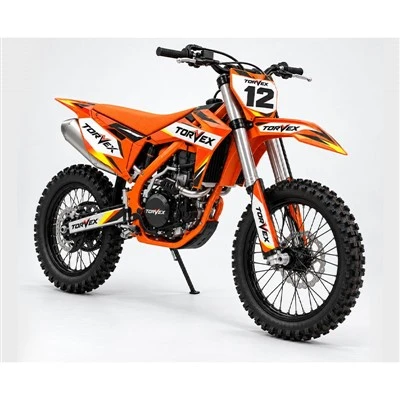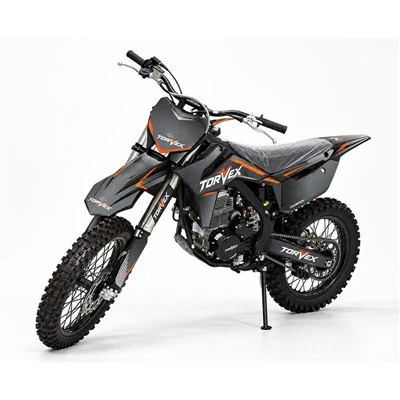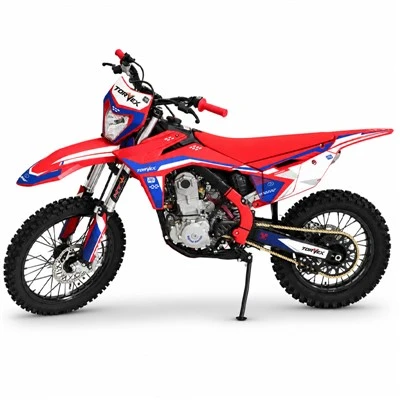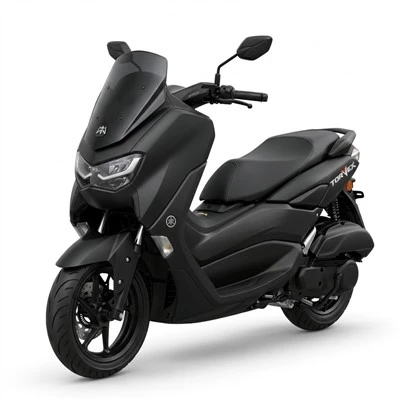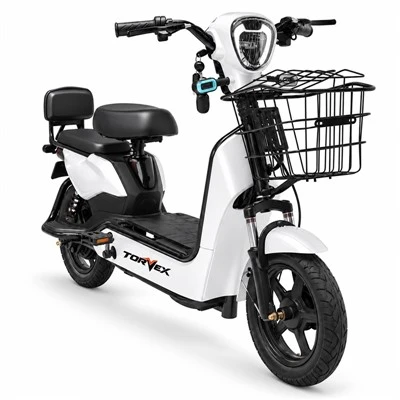
Although competitive motocross bikes are primarily designed for racing and professional training, environmental considerations are increasingly being prioritized during their development. Engines are engineered to optimize combustion and fuel delivery systems, thereby enhancing fuel efficiency and minimizing waste while still meeting performance demands. As emissions regulations and eco-friendly technologies evolve, controlling exhaust emissions and noise levels has become a crucial aspect of product design.
Regarding materials and manufacturing, the judicious selection of components-such as metals and plastics-can reduce production waste and enhance part durability. Lightweight designs can be applied to critical components like frames, wheel hubs, and engine parts to lower the vehicle's overall weight and reduce material usage. Furthermore, materials such as metals can be recycled at the end of the vehicle's lifecycle, helping to minimize resource waste.
Environmental consciousness also extends to the vehicle's daily operation and maintenance. Regular engine servicing, proper tire maintenance, and the timely replacement of worn parts help reduce unnecessary energy consumption and pollutant emissions. When riding off-road, riders should opt for authorized venues and avoid entering protected ecological areas, thereby minimizing their impact on vegetation and the natural environment. By integrating environmental considerations across product design, manufacturing, and maintenance, it is possible to strike a balance between high-performance racing capabilities and environmental protection.