The basic operating principle of an urban e-bike involves utilizing electrical energy stored in the battery and delivering it via a controller to the motor; the motor then converts this electrical energy into mechanical power to drive the wheels. When the rider pedals, the vehicle is propelled forward by a combination of human effort and motor power. Compared to traditional bicycles, the electric assist system reduces the physical exertion required for starting, riding uphill, and covering longer distances.
The complete electric drive system primarily consists of a battery, motor, controller, sensors, and a display unit. The battery stores and supplies electrical energy, while the controller regulates motor output based on rider input and the vehicle's operating status. Common sensors include speed sensors, rotation sensors, and cadence or torque sensors; these detect the vehicle's motion and the rider's pedaling activity, relaying this information to the control system.
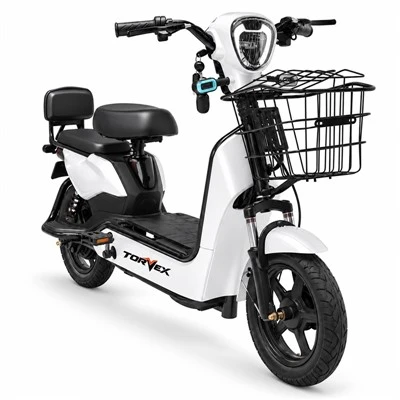
Urban e-bikes typically offer various assist modes to suit different riding needs. Once the control system detects that the rider has begun pedaling, it supplies the appropriate current to the motor based on the selected assist level, thereby generating auxiliary power. Motor output decreases or ceases when the vehicle slows down, pedaling stops, or the system's maximum assist speed is reached. Some models also feature an LCD display that shows information such as speed, battery level, assist mode, and distance traveled.
To ensure stable operation, e-bikes are equipped with a battery management system (BMS) and corresponding protection circuits. The BMS monitors battery voltage, temperature, and charge/discharge status, providing protection in the event of anomalies. Mechanical and electrical components-such as the frame, brakes, tires, and lighting-work together to ensure the vehicle's handling and safety. Through the integration of electrical systems, mechanical structures, and control systems, urban e-bikes offer a less strenuous way to commute daily while retaining the lightweight, agile nature of a standard bicycle.