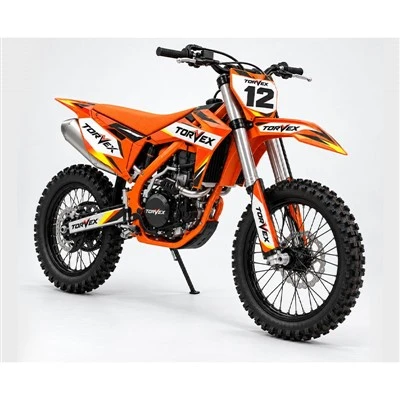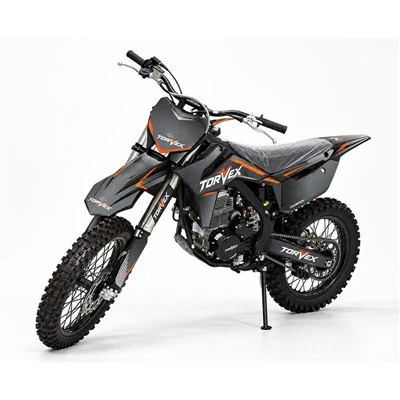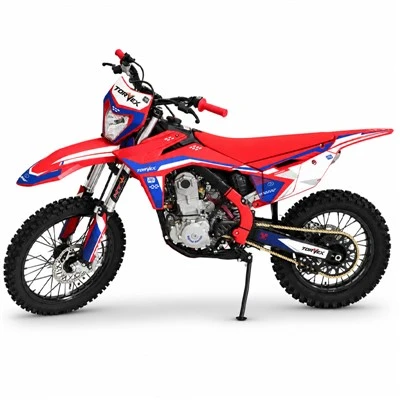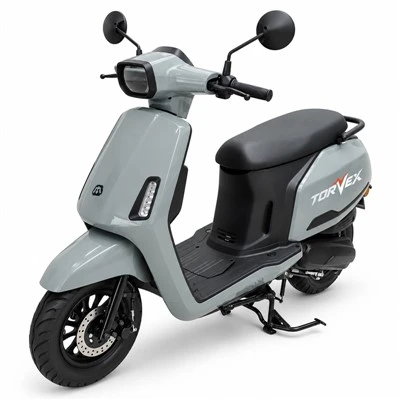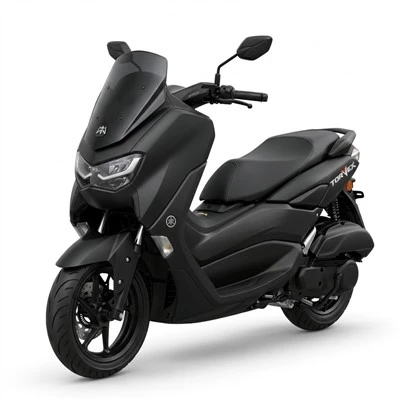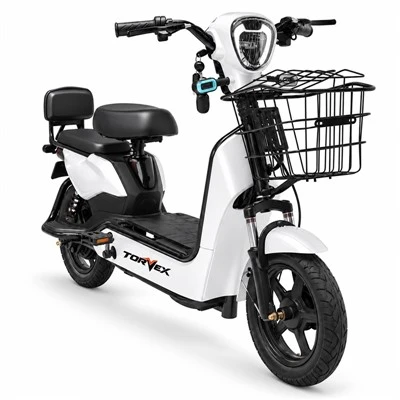
The core components of high-power electric scooters primarily include the motor, battery, controller, and frame. The motor provides the power needed for propulsion; common types include hub motors and mid-drive motors, with some high-performance models utilizing dual-motor setups. The battery supplies electrical energy to the vehicle, typically using lithium battery packs configured for capacity and voltage based on power and range requirements. The controller manages the power output between the battery and the motor, regulating acceleration and overall operation.
The frame, front fork, handlebars, wheel hubs, and tires constitute the vehicle's primary mechanical structure. High-power models usually feature high-strength frames paired with front and rear suspension systems to enhance stability and comfort across various road conditions. Tire size, material, and tread pattern influence grip and handling, necessitating selection based on the specific model and intended usage environment.
The braking system is a critical safety component, typically comprising brake discs, calipers, levers, and associated hydraulic lines or wiring; some models employ front and rear hydraulic disc brakes. Additionally, the vehicle is equipped with electrical components such as headlights, turn signals, taillights, and an instrument cluster. Certain models also include features like horns, USB ports, key-based ignition, anti-theft systems, and selectable riding modes.
High-power electric scooters also incorporate auxiliary accessories such as chargers, wiring harnesses, fuses, kickstands, fenders, and various fasteners. Configurations vary by model; when replacing or repairing parts, it is essential to select components that match the vehicle's voltage, motor power, dimensions, and connector specifications to avoid operational issues caused by incompatibility.