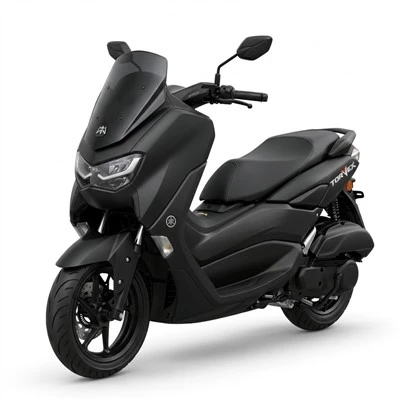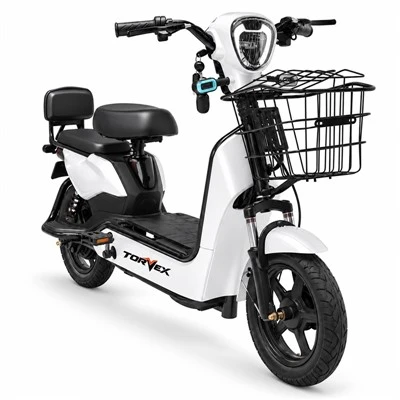
The technical specifications of high-speed electric motorcycles primarily include motor power, top speed, battery capacity, and driving range. Motor power is a key indicator of a vehicle's dynamic performance; generally, higher power translates to superior acceleration and hill-climbing capabilities. Top speed is determined by factors such as motor performance, battery output capability, vehicle weight, and aerodynamic drag. Battery capacity, typically measured in kilowatt-hours (kWh), dictates the amount of energy the vehicle can store and is a crucial factor influencing actual driving range.
In addition to powertrain and battery specifications, factors such as vehicle dimensions, curb weight, tire specifications, and braking system parameters are also significant. Dimensions affect handling agility and parking convenience, while curb weight impacts acceleration, braking, and energy consumption. Tire size and type must align with the vehicle's dynamic performance, and the braking system requires sufficient stopping power to match the vehicle's speed and weight. Some high-speed electric motorcycles are equipped with auxiliary systems like ABS to enhance braking stability across various road conditions.
Other technical parameters include charging time, battery operating voltage, controller rated current, and protection ratings. Charging time is influenced by battery capacity, charging equipment power, and the battery management system, while operating voltage and controller parameters affect the energy transmission efficiency of the powertrain. When selecting a vehicle, one should not focus solely on top speed or motor power; instead, a comprehensive evaluation-considering range, charging conditions, weight, braking performance, and the intended operating environment-is necessary to fully understand the motorcycle's overall performance.