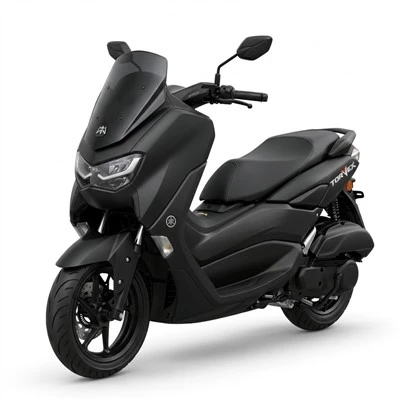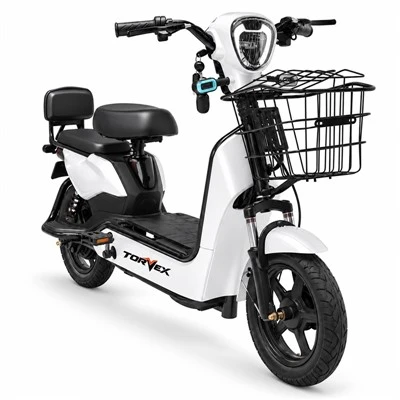
High-speed electric motorcycles operate primarily by converting electrical energy into mechanical energy to propel the vehicle. Upon startup, the power battery supplies electricity to the motor controller, which regulates the output current based on throttle position, vehicle speed, and the motor's operating status. The processed electrical energy is delivered to the drive motor, generating rotational power that is transmitted to the wheels, thereby driving the vehicle forward.
During operation, the motor controller acts as the "brain" of the powertrain, continuously adjusting the motor's operating state. When the rider increases the throttle opening, the controller boosts the motor's output power, enhancing acceleration; conversely, reducing the throttle opening lowers the motor output, causing the vehicle to decelerate. High-speed operation requires seamless coordination among the motor, battery, and controller; a lack of synchronization can lead to issues such as power loss or overheating. Consequently, these vehicles are typically equipped with monitoring systems for temperature, voltage, and current.
During deceleration or braking, some high-speed electric motorcycles utilize energy recovery systems to convert a portion of the mechanical energy generated by the motor back into electrical energy, storing it in the power battery. The overall process can be summarized as: the battery supplies electricity, the controller regulates it, the motor generates power, and the wheels drive the vehicle-with the added capability of recovering energy during braking or deceleration. It is through the coordinated operation of these various systems that the vehicle achieves smooth starting, acceleration, deceleration, and cruising.