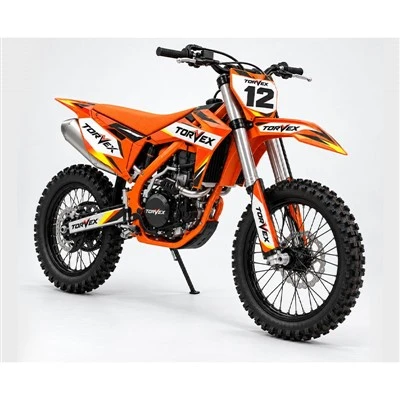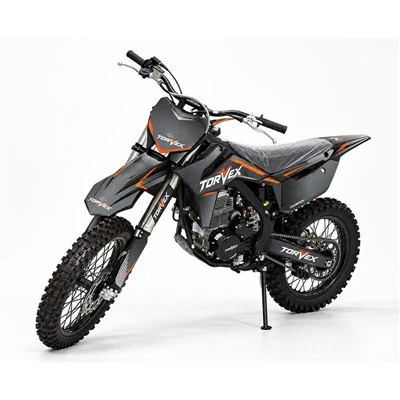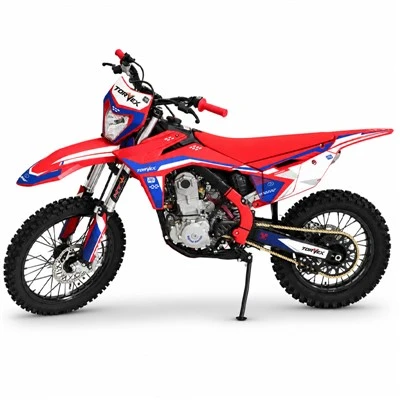
The primary value of trail dirt bikes lies in their ability to traverse challenging terrain. Designed for dirt, gravel, potholes, and uneven surfaces, these bikes typically feature high ground clearance, long-travel suspension, and off-road tires, enabling them to handle environments unsuitable for standard street motorcycles. Their lightweight construction also makes them easy for riders to maneuver through narrow trails and tight, winding sections.
Trail dirt bikes cater to a variety of needs, including off-road training, competitive racing, and outdoor recreational experiences. Riders can practice skills such as acceleration, cornering, hill climbing, and balance on trails of varying difficulty while experiencing the unique dynamics of riding on unpaved surfaces. For professional riders, these bikes serve as essential tools for technical training and competition.
These bikes also act as vital platforms for testing and applying relevant technologies. Components such as engines, fuel injection systems, frames, suspension, tires, and braking systems must be optimized for demanding terrain. Through real-world off-road use, manufacturers can identify issues regarding power, durability, and handling, subsequently refining product designs and driving the advancement of motorcycle technology.
Trail dirt bikes also stimulate the growth of related industries, including off-road riding venues, maintenance services, spare parts, and riding gear. As outdoor activities diversify, these bikes are used for professional training, racing events, and legitimate recreational riding. However, riders must use authorized venues, comply with local regulations, and be mindful of environmental conservation. Their value lies not only in the performance of the vehicle itself but also in the comprehensive ecosystem formed by the sport and its associated industries.