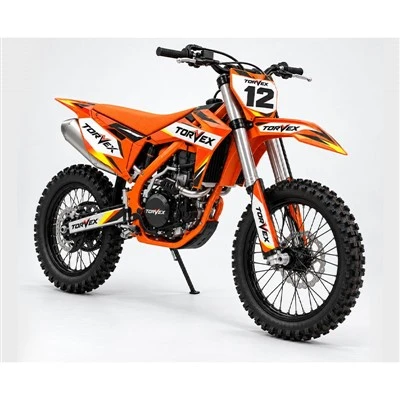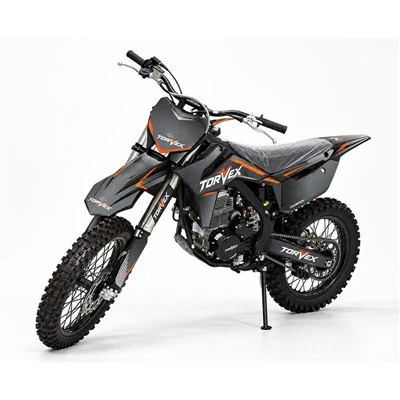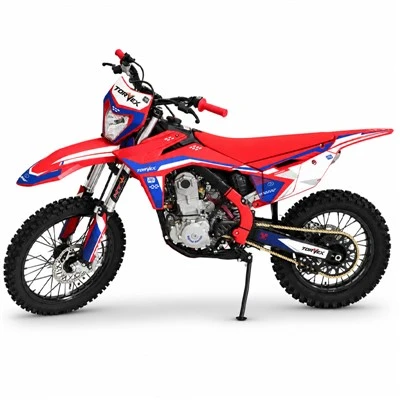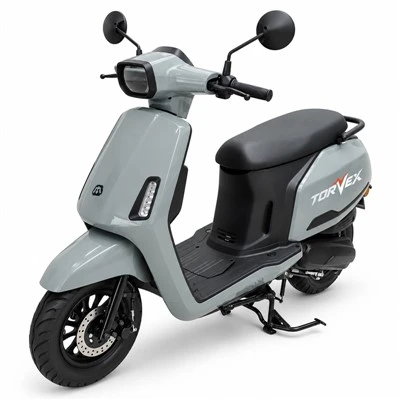
The origins of trail motorcycles can be traced back to the early days when motorcycles began venturing from paved roads onto unpaved terrain. Early motorcycles had relatively simple structures; riders would modify standard bikes-strengthening frames, adjusting suspension, and installing tires with better grip-to navigate rural dirt paths, mountain trails, and forest tracks. As this type of riding grew in popularity, specialized models designed for challenging terrain began to emerge.
The evolution of off-road racing and motorcycling sports further drove the development of trail-specific models. Manufacturers began refining vehicles for environments featuring mud, gravel, ruts, and steep slopes, incorporating specialized designs for engines, frames, suspension systems, and tires. Unlike motorcycles built for high-speed road performance, trail models prioritize low-speed power delivery. Modern models typically feature lightweight frames, long-travel suspension, and off-road tires; they are categorized based on engine displacement and intended use, ensuring the ability to navigate complex, unpaved terrain.
As off-road riding has become more widespread, the utility of trail motorcycles has expanded beyond basic transportation and racing to encompass professional training, outdoor recreation, and leisure activities. Modern models often utilize lightweight frames, long-travel suspension, and off-road tires, with specific variations tailored to different engine sizes and riding environments to ensure capability on increasingly challenging unpaved surfaces.
Trail motorcycles have evolved into a well-established category of vehicles, shaped by advancements in engine technology, electronic fuel injection, suspension systems, and lightweight materials. While terminology and classification systems may vary by region, the core design philosophy consistently centers on off-road capability, handling, and reliability across challenging terrain.