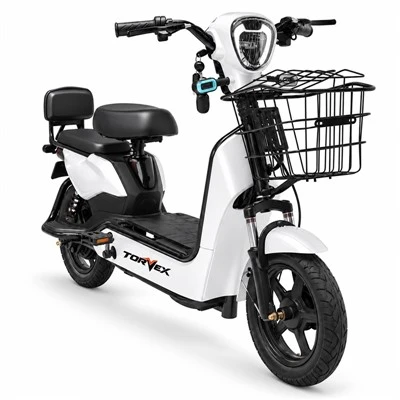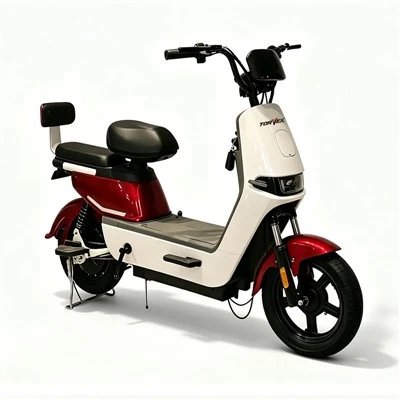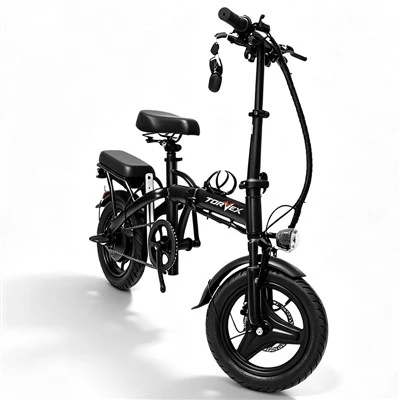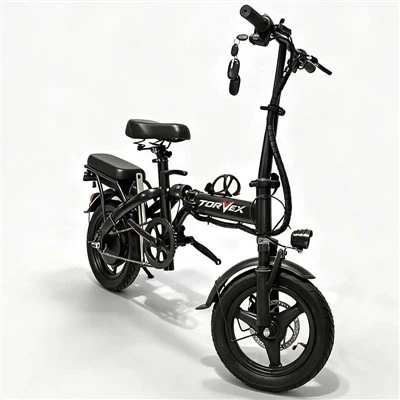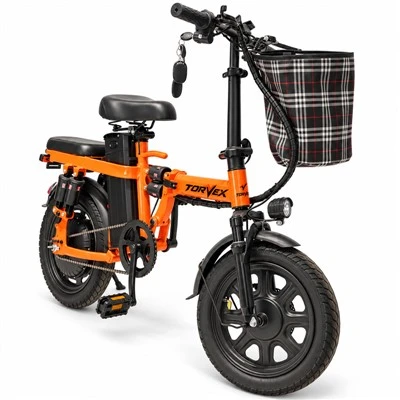
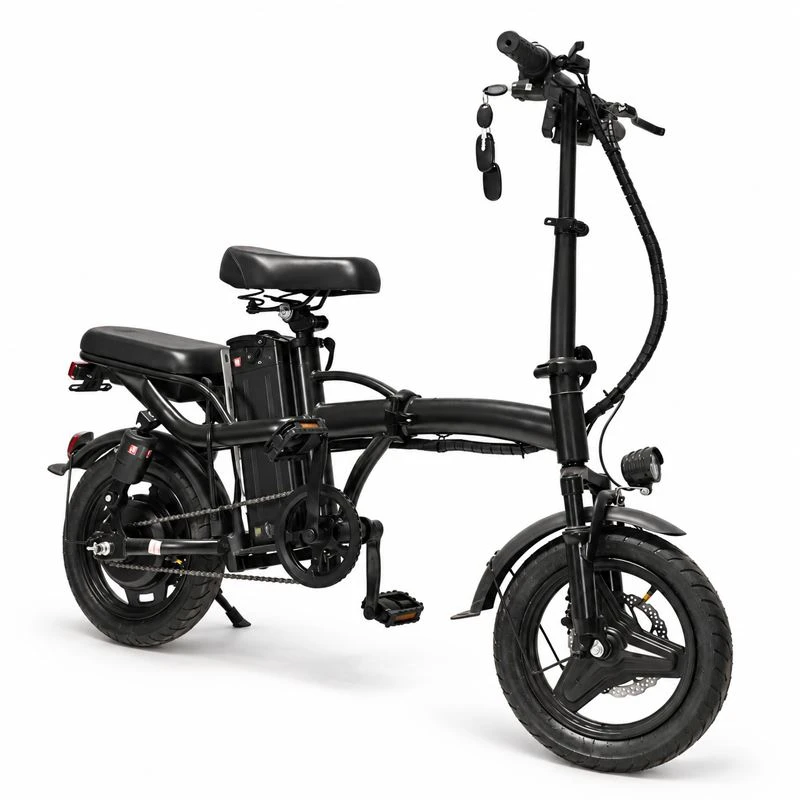

Shandong Tuowei Locomotive Co., Ltd. is one of the most reliable manufacturers and suppliers of 350w led headlight electric bicycle in China. With a professional production team, we are able to meet the needs of the majority of our customers. Welcome to wholesale premium 350w led headlight electric bicycle made in China here from our factory.
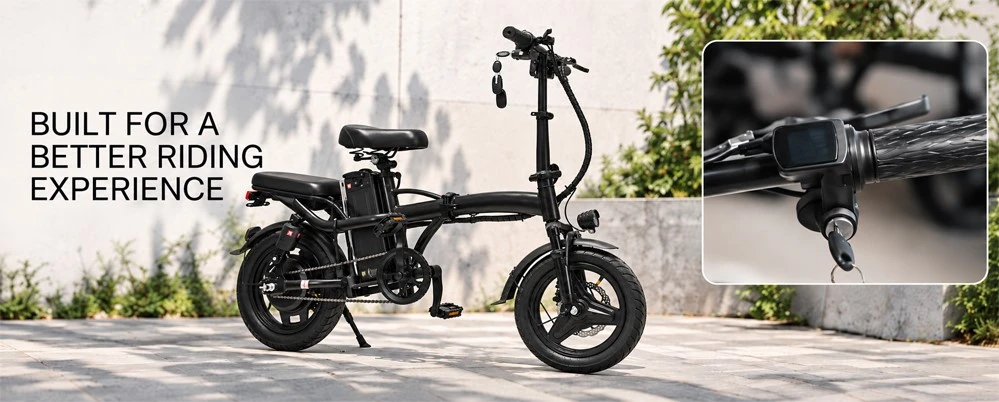
A 350W LED Headlight Electric Bicycle is a pedal-assisted urban machine whose defining feature is a permanent, frame-mounted lighting system: a light-emitting diode headlamp drawing its power from the main traction battery rather than from disposable cells or a separate bottle dynamo, paired with a rear lamp and a passive reflector set. The motor output remains 350 watts, keeping the machine inside the pedal-assist legal category in most markets. What distinguishes this specification is that visibility is treated as primary equipment rather than as an accessory to be bought later and fitted badly - an approach that matters enormously for riders commuting in winter darkness, in unlit peri-urban areas, or in cities where being seen is the difference between a near miss and a collision.
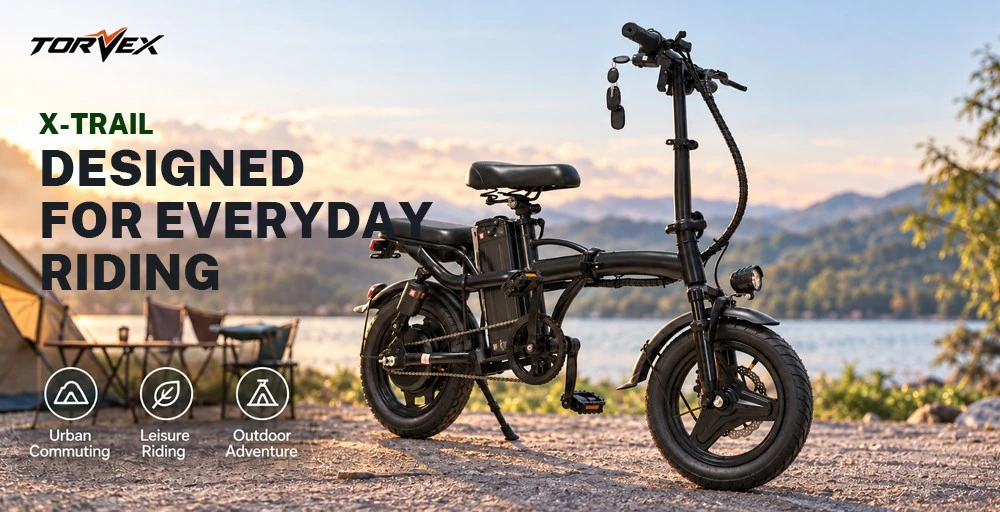
Seeing and Being Seen Are Two Different Engineering Problems
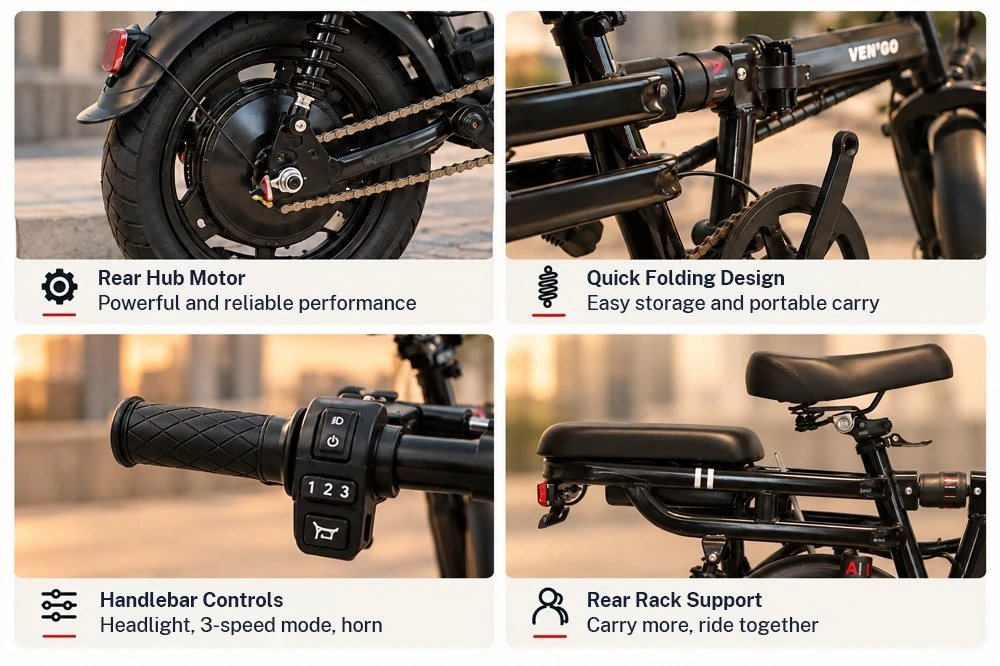
Most riders buy a light to solve the first problem and assume it solves the second. It does not. Seeing the road is a question of how much light reaches the surface ahead and how evenly it is distributed - a narrow spot beam may look impressive on a wall and be almost useless at thirty kilometres per hour, because the rider outruns the pool of light and cannot read the road far enough ahead to react. What a rider actually needs is a beam with width and reach, brightest in the near-to-mid field where hazards appear, with enough spill to pick out the kerb line, a drain cover or a pedestrian stepping off the pavement.
Being seen is a separate problem with a separate solution: light must reach the eyes of other road users, which means output to the sides and rear, contrast against a visually cluttered background, and - critically - a lamp that is lit without the rider remembering to switch it on. This is why the headlamp on this machine is wired to the main battery and illuminated whenever the system is active, rather than being a clip-on unit dependent on a rider's discipline and a set of AA cells. A cyclist hit at dusk is, in the overwhelming majority of cases, not invisible because of darkness but because of a driver who did not register a moving object at the edge of their attention. Constant, correctly aimed lighting is the cheapest available countermeasure.
Why LED Rather Than Halogen or a Dynamo
The choice of light source is not a style decision; it determines what is electrically possible. A light-emitting diode converts a far higher proportion of electrical energy into visible light than an incandescent filament, which means a genuinely bright lamp can be run continuously from the traction battery with a negligible effect on range. A halogen lamp of comparable output draws several times the current, and on an electric bicycle that current comes directly out of the distance available per charge. Put plainly: LED is what allows a rider to run a proper headlight all winter without paying for it in kilometres.
Durability is the second argument, and it is specific to this category. A bicycle is a vibrating machine; it is ridden over broken edges, dropped off kerbs and left outdoors. A filament is a thin wire suspended in a glass envelope, and vibration and thermal cycling are precisely what kill it. An LED is a solid-state device with no filament to break, no envelope to crack from thermal shock and a service life measured in tens of thousands of hours, which in practice means the lamp outlasts the rest of the machine. It also reaches full output instantly rather than warming up, and it is not damaged by the repeated switching that a rider does when stopping and starting through traffic.
Beam Pattern, Cut-Off and Not Blinding Oncoming Traffic
Raw brightness figures sell lamps, and they are the least useful number on the specification sheet. A lamp rated at a very high lumen output with no optical control throws light in every direction: upward into the night sky, sideways into gardens, and straight into the eyes of oncoming drivers and pedestrians. A dazzled driver does not see the cyclist any better - they see less of everything. The measure that matters is how much light lands on the road surface where the rider needs it, which is governed by the reflector or lens optics and the shape of the emitter, not by the headline figure.
This machine uses a shaped low beam with a defined upper cut-off, so illumination is concentrated on the road ahead and falls away above the horizontal. The practical consequence is that the rider sees a long, even carpet of light without turning the bicycle into a hazard for everyone facing it. Where a market's regulations specify a beam pattern, photometric performance or an approved marking - several European and Asian markets do - we supply the lamp configuration that meets the destination requirement, and we will tell you honestly if a particular figure is marketing rather than measurement. A distributor who sets expectations from a beam pattern rather than a lumen number has far fewer complaints at the point of use.
Power Supply: Taking Light From the Traction Battery
Running the lighting from the main battery is the decision that makes the system reliable, and it requires proper engineering rather than a simple tap. The traction pack operates at a nominal voltage far above what a lamp requires, so a DC-DC converter steps the supply down and regulates it. Regulation matters because battery voltage is not constant: it is higher straight off the charger and lower near the end of a ride, and a lamp driven without regulation dims progressively as the pack discharges - the exact moment a rider most needs full output. A regulated supply holds brightness constant from full charge to cut-off.
The converter and lamp circuit are further protected by an in-line fuse, so a lighting fault cannot take the drive system down with it, and the harness uses sealed multi-pin connectors with strain relief at the head tube, where steering movement would otherwise fatigue the wiring. Lamps and connectors are specified to an ingress protection rating appropriate to year-round outdoor use, because water entering a connector is the most common cause of an intermittent lamp. Control is integrated with the handlebar display, so a rider selects off, on or an automatic mode from the same interface used for assist level, rather than reaching for a separate switch on the lamp body.
Rear Lamp, Brake Indication and Passive Visibility
The rear lamp is as important as the headlight and is frequently neglected. Its job is to make the machine legible to a driver approaching from behind at closing speed, which is why steady output alone is less effective than a lamp that indicates braking - a change in state is what draws attention. Where specified, the rear lamp brightens under braking so a following driver receives the same signal from a bicycle that they would from a car. It is a small addition to the wiring loom and a substantial addition to safety.
Passive visibility is built in as well, because it continues to work when nothing electrical does. A reflector set is fitted to meet visibility requirements, and reflective treatment on the tyre sidewalls produces the moving outline that makes a bicycle recognisable from the side at a junction - the geometry where a driver looks for a car and fails to register a cyclist. Riders wearing dark clothing in an unlit street are relying almost entirely on these passive elements, which is why we treat them as specification rather than decoration.
Typical Applications
Closed-course motocross and amateur racing
01
Off-road training camps and rider coaching programs
02
Trail riding, ranch and farm commuting
03
Mountain patrol and forestry inspection routes
04
Scenic-area rental fleets and off-road event operations
05
Key Specifications
|
||||||||||
Call to Action

Selling into a market where the commute happens in the dark? Source a machine built for it. Torvex supplies the 350W LED Headlight Electric Bicycle with destination-specific lamp, battery and charger configuration, OEM/ODM colour and branding programmes, and consolidated container loading. Tell us your annual volume, target retail price and local lighting regulations, and our export team will return a specification sheet, an FOB quotation and a recommended spare parts package - or arrange a live video walkthrough of the assembly line.
FAQ
Q: How much does running the headlight reduce the range?
A: Yes. With a competition seat height, long-travel suspension and strong mid-range torque, it is designed as one of our dirt bikes for adults, suitable for riders moving up from entry-level machines or for experienced riders wanting a lighter, more agile race platform.
Q: Is a higher lumen figure always better?
A: No, and this is where buyers are most often misled. Uncontrolled high output throws light upward and into the eyes of oncoming drivers, which makes the cyclist harder to see, not easier. What matters is how much light reaches the road surface where the rider needs it, which is governed by optics and beam shape. We specify a shaped low beam with a defined cut-off and will set expectations from measured beam performance rather than a headline number.
Q: Does the lamp run off the main battery or separate batteries?
A: Off the main traction battery, through a regulated DC-DC converter. That means the lamp is charged whenever the bike is charged, holds constant brightness as the pack discharges instead of dimming near the end of a ride, and never depends on the rider remembering to replace disposable cells. The lighting circuit is separately fused so a lamp fault cannot disable the drive system.
Q: Can you meet local lighting regulations or approval markings?
A: Yes. Lamp output, beam pattern and any marking required for local approval are confirmed against the destination's regulation before production, and we supply the configuration that meets it. Send us your market and, if applicable, the standard your distributor must show, and we will confirm the compliant specification at quotation stage rather than after the containers ship.
Q: Is the lighting system weatherproof?
A: Lamps and connectors are specified to an ingress protection rating appropriate for year-round outdoor use, and the harness uses sealed multi-pin connectors with strain relief at the head tube, where steering movement would otherwise fatigue the wiring. Water entering a connector is the most common cause of an intermittent lamp, so this is treated as a specification item.
Q: How does this model differ from your other 350W bicycles?
A: The motor, battery platform, chargers, wheels, brakes and consumables are shared across the range, so it joins an existing import programme without a new parts inventory. The difference is emphasis: this is the model to lead with where the use case is defined by darkness rather than by road surface, while the Basic, Classic, Front Suspension and Dual Suspension models are matched to route conditions and rider type.
Hot Tags: 350w led headlight electric bicycle, China 350w led headlight electric bicycle manufacturers, suppliers, factory