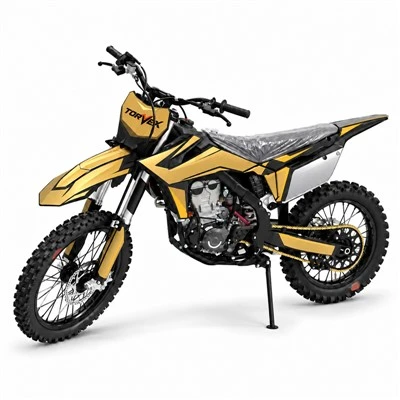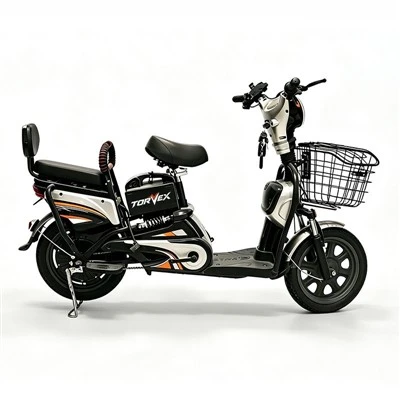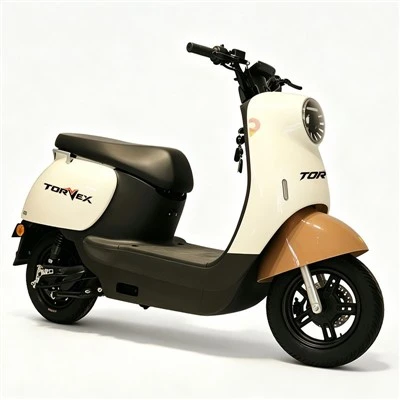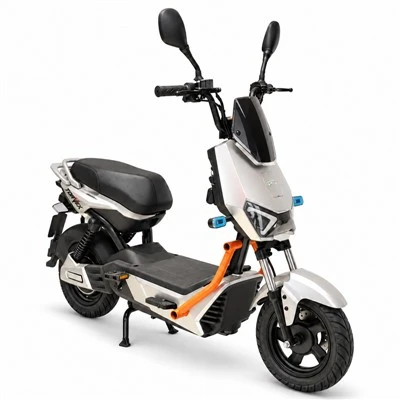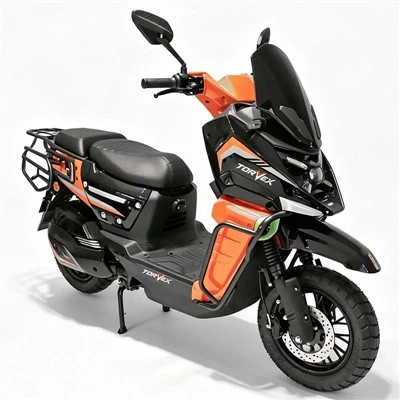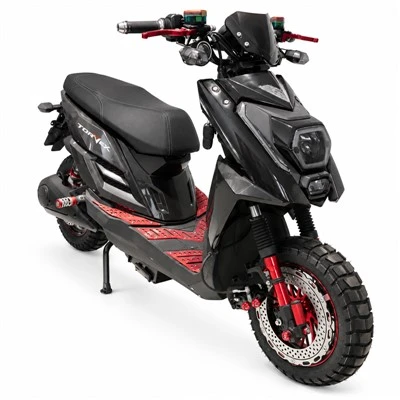
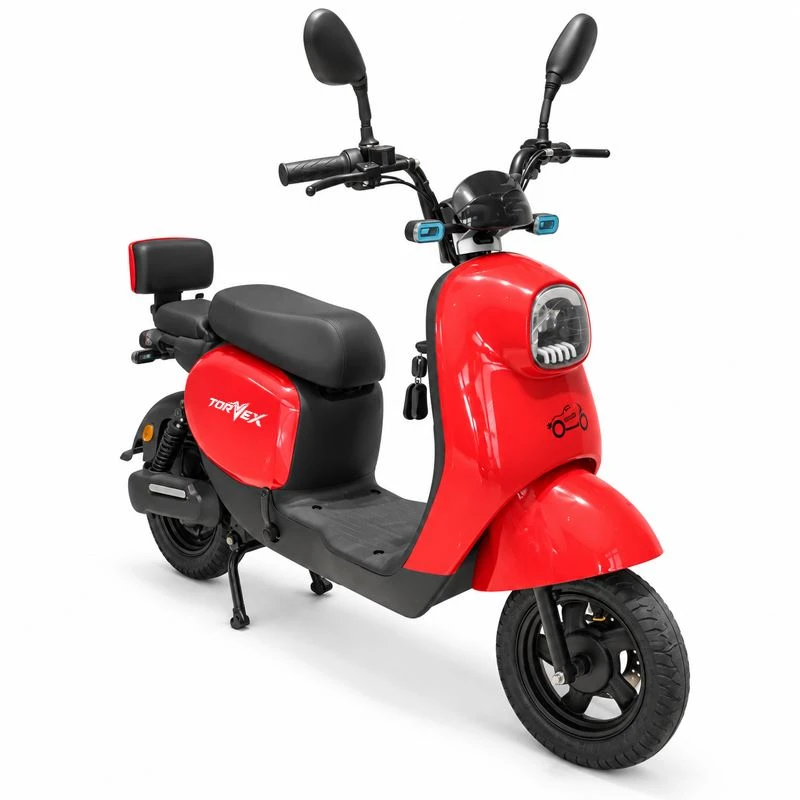

Shandong Tuowei Locomotive Co., Ltd. is one of the most reliable manufacturers and suppliers of 500w led electric moped in China. With a professional production team, we are able to meet the needs of the majority of our customers. Welcome to wholesale premium 500w led electric moped made in China here from our factory.
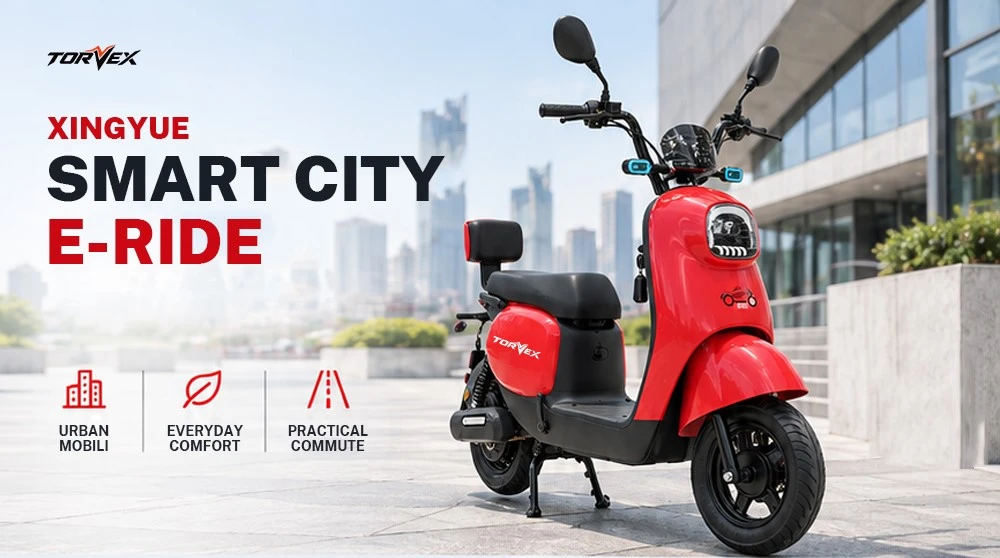
Product Overview
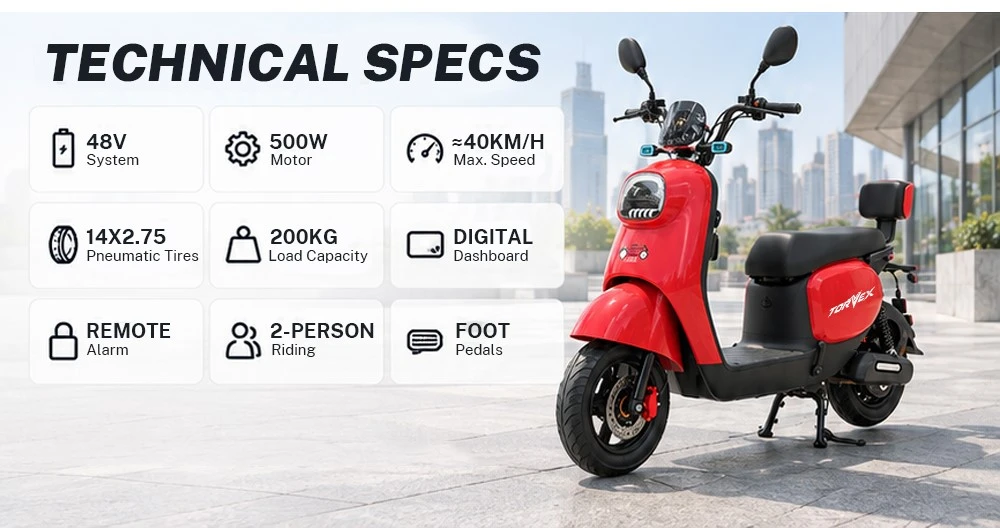
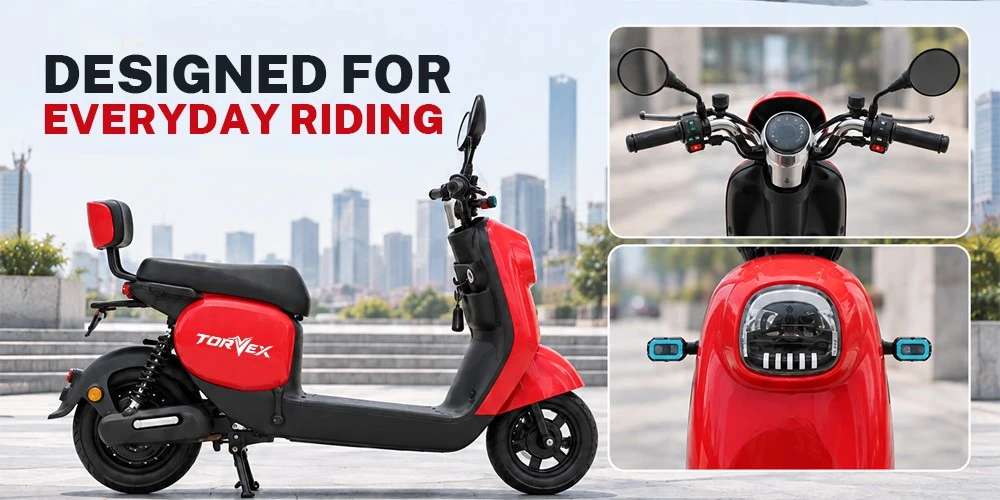
A 500W LED Electric Moped is a throttle-driven two-wheeled electric vehicle rated at 500 watts continuous output, equipped with a complete light-emitting diode lighting and signalling system: a headlamp with a defined beam pattern, a tail lamp, a brake lamp, front and rear direction indicators, and a passive reflector set. It belongs to the powered two-wheeler class rather than the pedal-assist bicycle class, and that classification is precisely why the lighting matters more here than it does on a bicycle. A powered machine mixes with motor traffic at sustained urban speed, is expected to signal its intentions before it changes direction or slows, and cannot be registered in most markets without lighting that meets a defined photometric standard.
On a Powered Vehicle, Lighting Is Legal Equipment
The distinction is worth stating at the outset, because it changes how a distributor should buy and how a dealer should sell. On a bicycle, a lamp is a convenience: a rider can add one, remove one, or ride without one in daylight. On a powered two-wheeler, the lighting and signalling set is part of the vehicle's type approval. It is inspected at registration, it is checked at roadside enforcement, and in many jurisdictions a machine without conforming lighting is not merely illegal to ride at night but illegal to register at all. A container that arrives with non-conforming lamps is a container that cannot be sold.
This is why we treat the lighting set as a homologation item rather than a styling item. Output, beam shape, colour, mounting height, indicator flash rate and the presence of an approved marking are all confirmed against your market's requirement before production begins, and we will tell you plainly if a specification has to change to meet it. Getting this wrong is expensive in a way that is easy to underestimate: the cost is not the lamp, it is the container sitting at the port while a distributor's launch window closes.
Three Separate Jobs: Seeing, Signalling, Being Seen
A lighting set on a powered machine performs three functions that are frequently conflated and must be engineered separately. The first is forward illumination - enough light on the road surface, distributed correctly, for the rider to read the surface ahead. The second is signalling: conveying to other road users that the vehicle is about to turn, is slowing, or is present. The third is conspicuity: being noticed at all, particularly at junctions and in the peripheral vision of a driver who is looking for cars.
Signalling is the one most often under-specified, and on a moped it is the one that prevents collisions. A brake lamp that brightens distinctly when the rider applies the brake gives a following driver the same signal they would receive from a car, and on a machine that can stop considerably faster than a car that distinction matters. Direction indicators with a correct flash rate and adequate output let a driver anticipate a turn rather than react to one. A tail lamp working from the same circuit as the headlamp means the machine is never lit at the front and dark at the back - a state that is genuinely dangerous and, on a poorly wired machine, entirely possible.
Seeing Distance Must Scale With Speed
Forward illumination on a powered vehicle has a requirement that a bicycle does not: the beam must reach far enough ahead for the rider to perceive a hazard and stop within it. A rider travelling at urban moped speed covers roughly twelve to thirteen metres every second, and by the time a hazard is recognised, a decision made and the brakes applied, a substantial part of that distance has gone. A lamp that illuminates strongly but only a short distance ahead produces a rider who is well lit and poorly informed - they see the obstacle clearly and meet it anyway.
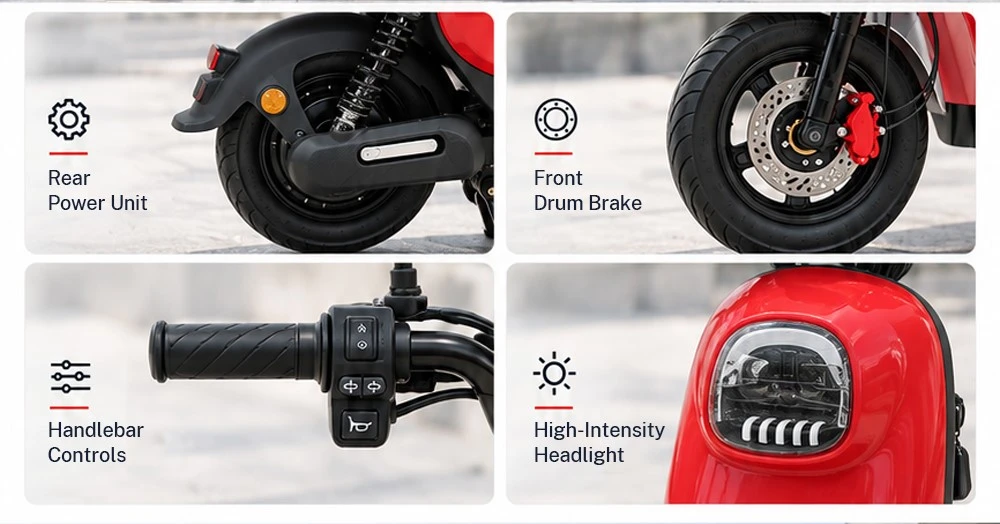
What matters is therefore not the total light emitted but the distribution: a defined hot zone projecting usefully far down the road, a wide near-field spread that reveals the kerb line, a drain cover or a pedestrian at the roadside, and a controlled upper cut-off so the light falls on the carriageway rather than into the eyes of oncoming drivers. A dazzled oncoming driver does not see the moped better; they see less of everything, which is why an unshaped high-output lamp is a hazard rather than a safety feature. We specify optics and aim rather than headline output, and we set expectations from measured beam performance rather than from a lumen figure that flatters the packaging.
Why LED, and Why Cheap LED Lamps Dim
A light-emitting diode is the correct light source for an electric vehicle for two reasons that compound. It converts a far higher proportion of electrical energy into visible light than a filament lamp, so a proper road set can run continuously from the traction battery with a negligible effect on range - a halogen set of comparable output would draw several times the current and take those kilometres directly out of the rider's day. And it is a solid-state device with no filament to break, which matters on a machine that vibrates, is ridden over broken surfaces and is left outdoors year-round.
There is, however, a failure mode specific to light-emitting diodes that buyers should know about, because it separates a properly engineered lamp from a cheap one. Light output falls as the semiconductor junction temperature rises, and the device also ages faster when it runs hot. A lamp built without adequate heat sinking therefore starts bright in the showroom and dims measurably once it has been running for ten minutes, and it will not last the life of the vehicle. Thermal management - a metal-core board, a heat sink with real surface area and a housing that lets heat escape rather than trapping it - is what keeps output stable and service life long. It is invisible on a specification sheet and obvious on the road after a year.
Electrical Architecture: A Regulated Twelve-Volt Bus
Running a full lighting and signalling set from a traction pack requires proper engineering rather than a simple tap. The battery operates at a voltage far above what the lamps require, so a DC-DC converter steps the supply down to a vehicle bus and regulates it. Regulation is not optional: pack voltage is higher straight off the charger and lower near the end of a ride, and lamps driven without it dim progressively as the battery discharges - precisely when a rider most needs full output. A regulated bus holds brightness constant from full charge to cut-off.
The vehicle bus then supplies the headlamp, tail lamp, brake lamp, indicators, horn, instrument lighting and any accessory the market requires, with each circuit separately fused so a single lamp fault cannot disable the others or the drive system. The harness uses sealed multi-pin connectors with strain relief at the steering head, where repeated steering movement would otherwise fatigue the wiring, and connectors and lamp housings are specified to an ingress protection rating appropriate to year-round outdoor use. Water entering a connector is the single most common cause of an intermittent lamp, and intermittent lamps are what fail a roadside check.
Compliance, Documentation and Getting It Right Before Production
Markets differ in what they require, and the differences are specific rather than general. Some specify a photometric class and a beam pattern to an international regulation; others require a national approval marking on the lens; some specify colour temperature, minimum mounting height or an always-on daytime running function. Several require the indicator flash rate and the relative brightness of brake and tail lamps to fall within defined bands. None of this is difficult to meet - it simply has to be known before the build rather than discovered after it.
Our practice is therefore to confirm the lighting specification at quotation stage against your market, produce to it, and verify lamp function, output and aim on every vehicle at end of line before it is released for loading. We would rather decline an order than ship machines that cannot be registered. For a distributor, that is the practical value of working with a manufacturer who treats approval as part of the build: the vehicle arrives documented, equipped and ready for the registration process instead of becoming a problem to solve at the port.
Daily Use, Running Cost and Fleet Duty
For the rider, the benefit is that the lighting simply works. Because the set draws little current, there is no reason to switch it off and no penalty for leaving it on; the machine is lit whenever it is running, which removes the human factor of a rider forgetting. For a delivery operator working evenings, that reliability is the entire point - a rider who stops to deal with a lamp is not earning, and a rider who is poorly lit at night is a liability the operator carries.
For a fleet, the cost picture is favourable in a way worth quantifying. There is no fuel, no oil, no exhaust and no fuel system to maintain; servicing reduces to tyres, brake pads, drive components, suspension checks and periodic battery care. Lighting adds essentially nothing to that list, because a solid-state lamp has no scheduled replacement interval in normal service and no bulb to stock. Where a fleet today replaces bulbs on combustion machines as a routine consumable, this vehicle removes that line from the maintenance budget entirely.
Manufacturing and Export Credibility
Torvex is manufactured by Shandong Tuowei Motorcycle Co., Ltd., established in 2000 and based in Zichuan Advanced Manufacturing Industrial City, Zibo, Shandong. Assembly covers frame welding and inspection, precision component fitting, motor and controller installation, wheel building, wiring and lighting installation, and end-of-line inspection. Battery packs are checked for cell balance and capacity before being matched to a vehicle, and every completed machine is tested for drive function, throttle response, braking performance, lighting output and aim, indicator and brake lamp operation, electrical circuits and a simulated running check before release for loading.
We hold full import and export qualifications and ship to markets across Southeast Asia, Africa, the Middle East, South America and Eastern Europe, with battery and charger configurations specified for the destination's voltage and plug standard. Lighting output, beam pattern, indicator specification and any marking required for local approval are confirmed against destination requirements before production. OEM and ODM programmes cover body colour, seat material, decal design, logo application and accessory packages such as top boxes, racks and baskets, with packing configured for efficient container loading.
Typical Applications
Urban commuting that continues after dark in all seasons
Evening food delivery, courier and last-mile logistics fleets
Peri-urban and rural routes with little or no street lighting
Shared and rental mobility schemes operating around the clock
Markets where lighting conformity is inspected at registration

Call to Action
Entering a market where the vehicle must pass a lighting inspection before it can be registered? Source it from the factory. Torvex supplies the 500W LED Electric Moped with destination-specific lighting, battery and charger configuration, OEM/ODM colour, seat and branding programmes, and consolidated container loading. Tell us your annual volume, target retail price and the approval standard that applies in your market, and our export team will return a specification sheet, an FOB quotation and a recommended spare parts package - or arrange a live video walkthrough of the assembly line.
FAQ
Q: Is the lighting set approved for registration in my market?
A: It is built to your market's requirement rather than to a single fixed standard. Output, beam pattern, colour, mounting height, indicator flash rate and any lens marking are confirmed against destination rules before production, and lamp function, output and aim are verified on every vehicle at end of line. Send us your market and, where applicable, the standard your authority applies, and we will confirm the conforming specification at quotation stage.
Q: How is this different from a bicycle with an LED headlight?
A: Classification and duty. A bicycle lamp is a convenience the rider can add or remove; on a powered two-wheeler the lighting and signalling set is part of type approval - inspected at registration and checked at roadside. This vehicle carries a full set: headlamp with a shaped beam, tail lamp, brake lamp, direction indicators and reflectors, all running from a regulated twelve-volt bus.
Q: Does running the lights reduce range noticeably?
A: Very little. A light-emitting diode converts a high proportion of electrical energy into light rather than heat, so a complete road set draws a small fraction of what the motor uses, and there is no reason for a rider to switch it off. A halogen set of comparable output would draw several times the current and take those kilometres directly out of the working day.
Q: Why do some LED lamps dim after a few minutes?
A: Because light output falls as the semiconductor junction temperature rises, and a lamp without adequate heat sinking runs hot. A properly engineered lamp uses a metal-core board and a heat sink with real surface area so output stays stable once warm. It is invisible on a specification sheet and obvious on the road after a year, which is why thermal management is a build specification for us rather than a detail.
Q: What electrical protection does the lighting circuit have?
A: A regulated DC-DC converter holds lamp brightness constant as the pack discharges, each circuit is separately fused so a single fault cannot disable the others or the drive system, and the harness uses sealed connectors with strain relief at the steering head. Connectors and housings carry an ingress protection rating for year-round outdoor use, because water ingress is the most common cause of an intermittent lamp.
Q: Does it require a licence, registration or insurance?
A: Commonly yes. A 500W throttle-driven machine sits outside the pedal-assist bicycle class in most jurisdictions and inside a powered two-wheeler category, which typically brings registration, helmet and minimum age requirements, and often licence or insurance obligations. Rules vary significantly by country, so tell us your market and we will confirm the compliant configuration before quoting.
Hot Tags: 500w led electric moped, China 500w led electric moped manufacturers, suppliers, factory