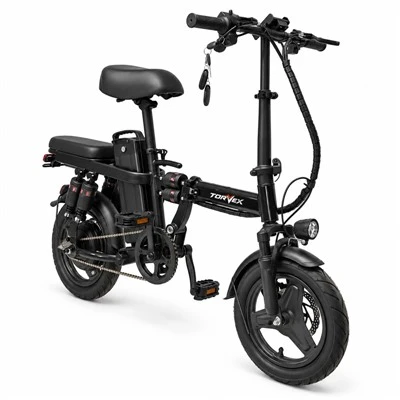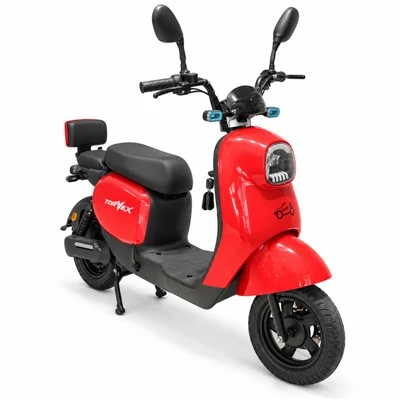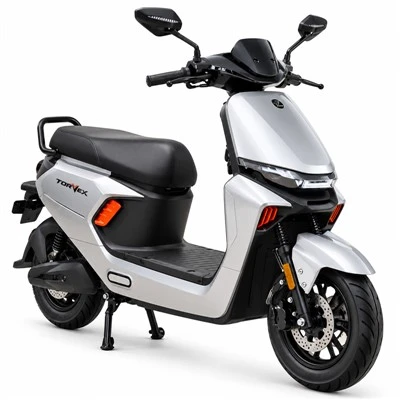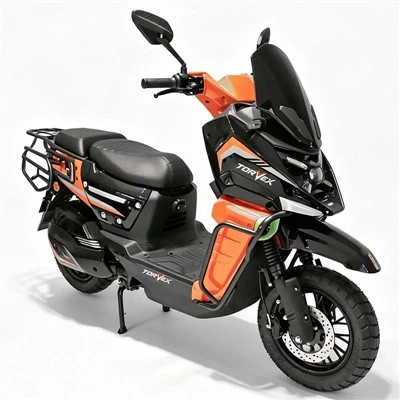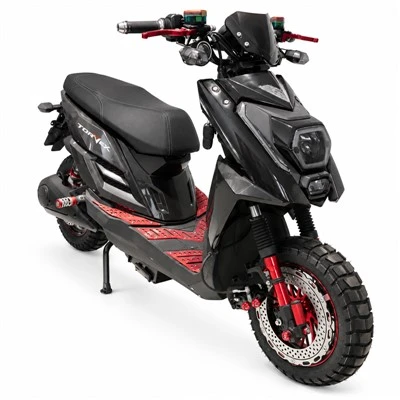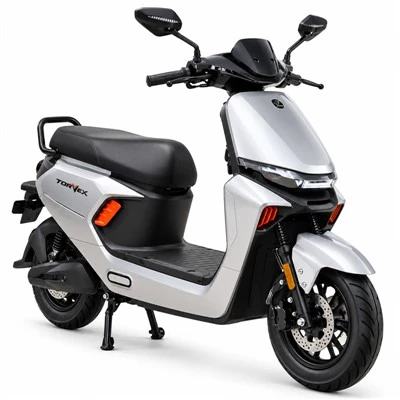
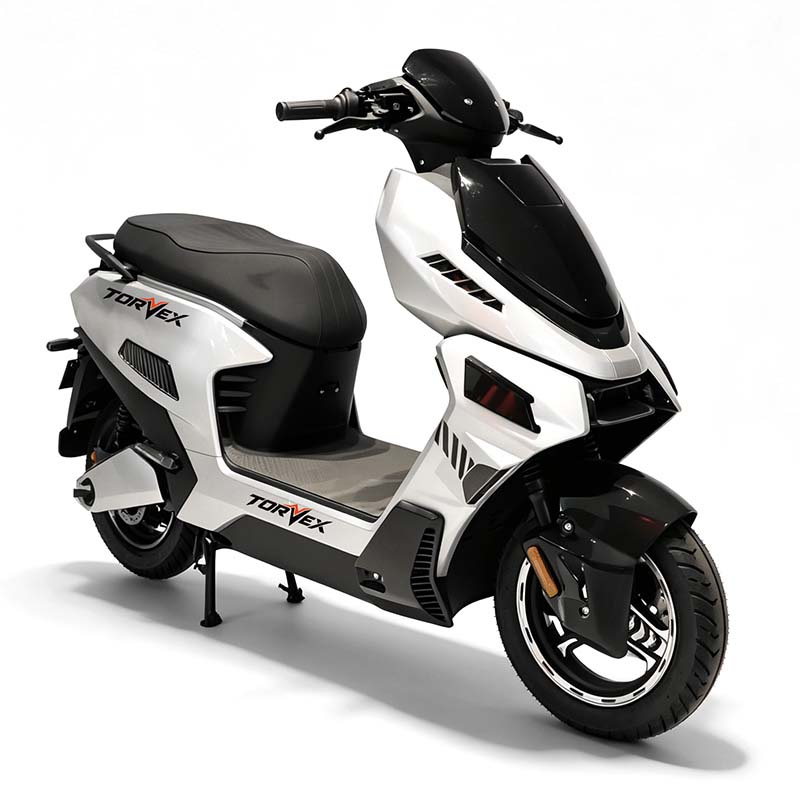

Shandong Tuowei Locomotive Co., Ltd. is one of the most reliable manufacturers and suppliers of 1500w disc brake electric motorcycle in China. With a professional production team, we are able to meet the needs of the majority of our customers. Welcome to wholesale premium 1500w disc brake electric motorcycle made in China here from our factory.
Product Overview
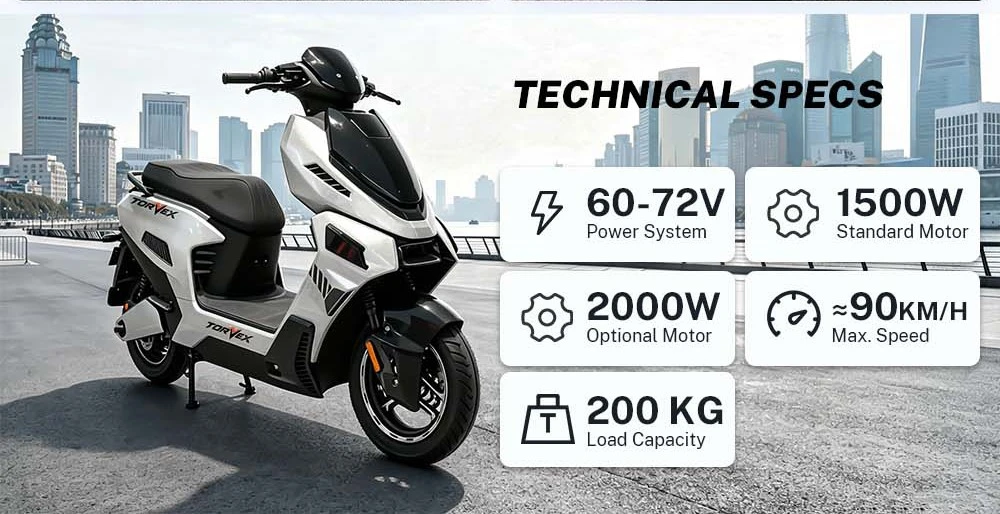
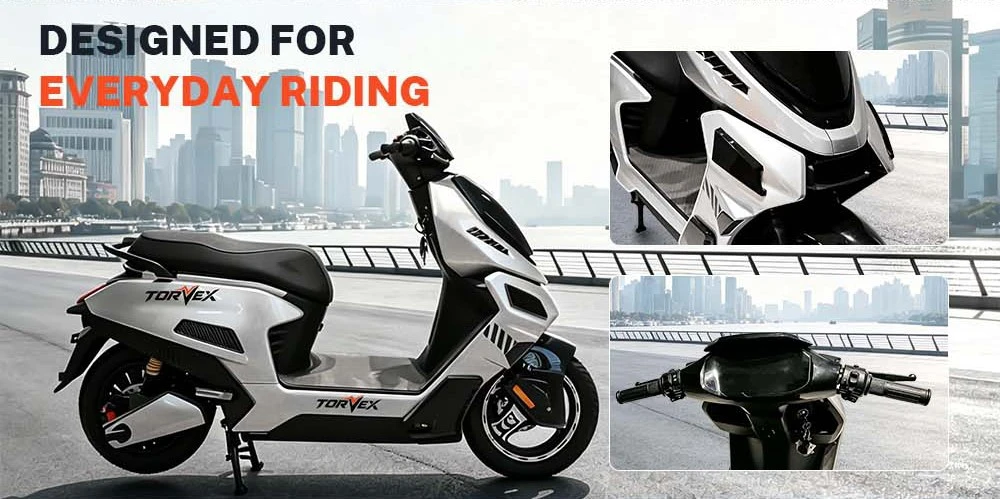
A 1500W Disc Brake Electric Motorcycle is a throttle-driven electric two-wheeler rated at 1500 watts continuous motor output, equipped with disc brakes front and rear rather than drum or rim brakes, and engineered on the principle that braking capacity must be specified alongside motor output rather than after it. Disc brakes are not an upgrade on a machine of this performance - they are the minimum specification that makes it usable. The vehicle sits in the powered two-wheeler registration and licence class in effectively every market, and it is aimed at riders and operators who need a machine that accelerates and climbs with genuine authority and can be brought to a stop repeatedly, from speed, without the brakes becoming the limiting factor.
Why Braking Capacity Must Be Specified With Power, Not After It
There is a relationship in vehicle engineering that is easy to state and easy to ignore: the energy a braking system must absorb rises with mass and with the square of speed. A machine that is heavier and faster than the one below it in a range does not need slightly better brakes - it needs substantially more capacity, because doubling the speed quadruples the energy that must be converted into heat at every stop. Adding motor output without adding braking capacity produces a machine that is quicker than it is safe, and the rider discovers that at the worst possible moment.
This is why the braking system on this platform is specified as part of the powertrain decision rather than as a component chosen afterwards. Motor output, vehicle mass, the speeds the machine sustains and the duty cycle it will face are considered together, and the rotor diameter, caliper specification, pad compound and master cylinder ratio are then selected for that envelope. A distributor should ask any supplier how the brakes were specified, because the answer reveals whether the machine was engineered or merely assembled. On a 1500W machine the question is not whether disc brakes are fitted; it is whether they are sized for the work.
What a Disc Brake Does Better, and Why
The advantages of a disc brake over a drum are specific and worth setting out, because buyers are frequently told that discs are better without being told why. The first is heat. A drum brake encloses its friction surfaces inside a shell, so the heat generated by stopping is trapped and can only dissipate slowly through the drum's outer surface. Repeated hard stops raise the internal temperature, the lining's friction coefficient falls, and the rider experiences fade - a pedal or lever that travels further for less effect. A disc brake exposes the rotor to open airflow, so heat is carried away continuously rather than accumulating.
The second is water and contamination. A drum is a closed shell: water that enters takes time to be expelled, and during that interval braking performance is markedly reduced. A disc rotor sheds water almost immediately through rotation and the wiping action of the pads, which is the reason a rider feels a brief delay after riding through deep water and then normal performance, rather than a sustained loss. The third is serviceability: pad wear on a disc can be inspected visually without dismantling anything, and pad replacement is a short task rather than a drum strip-down. The fourth is modulation - a disc gives the rider finer control over how much braking force is being applied, which is what allows a rider to brake late and progressively rather than in a single crude application.
Hydraulic Actuation, and Why It Matters More Than Rotor Size
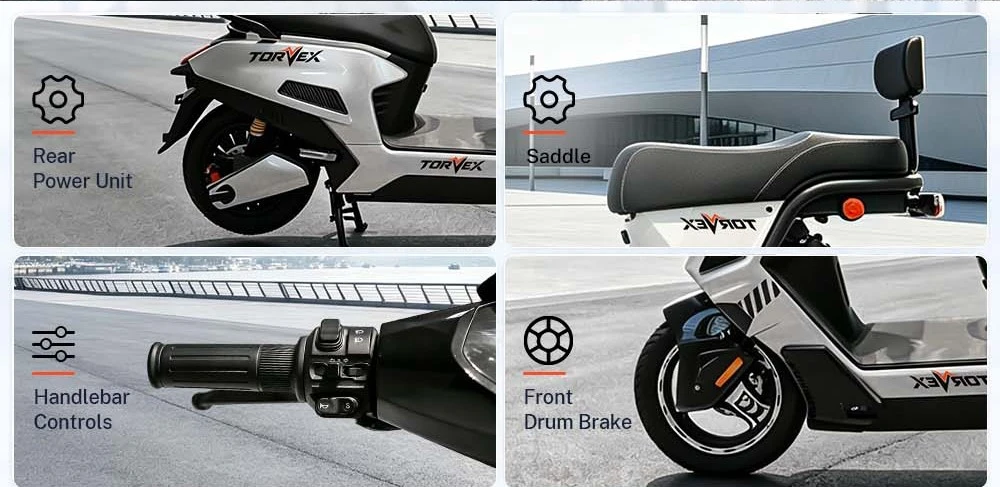
The largest single improvement in braking feel on a two-wheeler is not a bigger rotor but hydraulic actuation, and the reason is mechanical. A cable-operated brake transmits force through a steel inner cable inside an outer housing; the housing flexes, the cable stretches slightly under load and friction inside the housing consumes part of the rider's effort. The rider compensates by pulling harder, and what they feel at the lever is a mixture of cable friction and actual braking force, which makes precise modulation difficult.
A hydraulic system replaces that with an incompressible fluid. Lever movement displaces fluid in a master cylinder, and that pressure is transmitted directly to pistons in the caliper, which clamp the pads against the rotor. Because there is no cable stretch or housing friction, the rider feels what the tyre is actually doing, and the force required at the lever is lower for the same braking effort. Two further advantages follow: hydraulic systems self-adjust for pad wear, so lever feel does not degrade as the pads thin, and they can drive multiple pistons in a caliper evenly, which is what allows a larger pad area to be clamped with uniform pressure rather than being pressed harder at one edge.
Calipers, Pistons and Clamping Evenly
Caliper design determines how evenly a brake pad is pressed against the rotor, and uneven pressure is the cause of most brake complaints that are not actually about power. A single-piston sliding caliper moves a piston on one side and pulls the caliper body to bring the opposing pad into contact; it is simple and adequate, but the sliding mechanism adds friction and can become uneven as it wears. A multi-piston opposed caliper places pistons on both sides of the rotor, so both pads are pushed against it, and pressure is distributed across the pad's backing plate rather than concentrated at one point.
The practical result is a pad that wears evenly, a lever that feels consistent, and a brake that resists the tapering wear which causes a vague, wooden feel over time. Piston diameter and the master cylinder bore are then matched as a pair: the ratio between them determines the mechanical advantage, and therefore how much lever force produces how much clamping force. That ratio is a deliberate choice rather than a consequence of component selection, and it is what separates a brake with a firm, progressive feel from one that is either wooden or grabs with the lightest touch.
Rotors: Diameter, Mass and Getting Rid of Heat
Rotor diameter appears on specification sheets more than any other braking number, and it is worth understanding precisely what it buys. A larger rotor increases the lever arm through which the caliper acts, so a given clamping force produces more braking torque at the wheel - which means less hand force for the same deceleration. It also increases the distance the pad sweeps per wheel revolution, so more friction surface passes the pads in the same time, spreading the work and the heat.
The more important property, however, is thermal mass and heat dissipation, because fade is a heat problem. A rotor with greater mass absorbs more heat before its temperature rises to the point where friction falls off, and a rotor with more surface area - and, where specified, a drilled or vented design - sheds that heat faster into the airflow. This matters most in the condition that destroys inadequate brakes: a sustained descent, where the rider is asking the brakes to absorb energy continuously rather than in discrete stops. Material and finish are specified for stable friction and resistance to corrosion, because a rotor that rusts or glazes does not recover its performance simply by being used.
Pad Compounds: The Trade Nobody Explains
Brake pad material is chosen rather than defaulted, and the trade-offs are real enough that buyers should know which they are getting. Softer organic compounds give strong initial bite, quiet operation and good cold performance, which is what makes them pleasant in town; they wear faster, particularly when worked hard, and they fade earlier under sustained load. Harder sintered compounds require more heat to reach full effectiveness, so they can feel wooden on the first stop of a cold morning, but they hold their friction coefficient at high temperature, resist fade on a long descent and last considerably longer.
For a machine of this performance, the compound is specified for stable friction at temperature rather than for initial bite alone, because a rider who brakes hard from speed repeatedly is operating in the condition where the softer material would fade. The honest consequence is that the brake may feel less immediately aggressive on a cold first application than a city machine's, and that is a deliberate choice rather than a shortcoming. We state it because a test rider who only brakes gently will not notice the difference, while the rider descending a long gradient will.
Front and Rear: Weight Transfer and Using Both
Braking on a two-wheeler is governed by weight transfer, and understanding it explains why both brakes are specified and why neither should be used alone. Under deceleration, load shifts forward onto the front wheel and away from the rear. The front tyre therefore gains grip exactly when it is asked to do more work, which is why the front brake contributes the majority of stopping force - and why the front rotor and caliper on this machine are the larger, more heavily specified of the two.
The rear brake has a different and equally necessary job. It stabilises the machine, controls speed in low-traction conditions where aggressive front braking would risk a locked wheel, and is what a rider uses to settle the chassis rather than to stop in a hurry. Rear brake drag is also a habit riders develop unintentionally, and on a high-torque electric machine it wastes energy and overheats the rear brake; the supplied guidance covers using both deliberately. Because a passenger or a load shifts weight rearward, the balance between the two changes with how the machine is being used, which is why the specification is set for the laden condition rather than for a solo test rider.
The 1500W Drivetrain and What It Demands
Fifteen hundred watts of continuous output - sustained, rather than a brief peak - places this machine above the light powered two-wheeler class in capability. It accelerates with authority from a standstill, climbs with a passenger, and holds speed on faster peri-urban and open roads. That capability is precisely what makes the braking specification critical: a machine that reaches speed quickly reaches the speed from which it must be stopped more often, and a rider who can accelerate hard will brake hard.
The motor and controller are specified as a matched pair, with the controller managing current so the motor stays inside its thermal envelope under sustained load rather than overheating and losing output. The battery is specified for the continuous discharge current this duty demands, because a pack unable to supply it will sag in voltage and trip its protection, cutting power with energy still present in the cells. Regenerative braking, where specified, contributes useful deceleration and reduces pad wear, but it is supplementary: the friction brakes are specified to stop the machine on their own, because a rider must never be dependent on a system that reduces its contribution as the battery fills or the electronics limit it.
Maintenance, Wear and Honest Service Intervals
A disc braking system on a machine of this performance needs specific, scheduled attention, and an operator who plans for it avoids the failure modes that catch owners out. Pad thickness is the first item, and inspection is straightforward because pads can be seen without dismantling the caliper. Rotor condition is the second: thickness must remain above the minimum, and a rotor that is scored, warped or below specification should be replaced rather than tolerated, because a warped rotor produces a pulsing lever and uneven contact that no pad change will fix.
Fluid is the third, and it is the one most often neglected. Brake fluid absorbs moisture from the air over time, and water in the fluid lowers its boiling point - so under sustained braking the fluid can boil, producing vapour in the line, and vapour compresses where liquid does not, which is what causes a lever to go suddenly soft or travel to the bar. Periodic fluid replacement prevents it, and it is a scheduled item in the maintenance documentation rather than a repair. We state shorter inspection intervals for pads and rotors than an urban machine requires, because sustained speed and repeated hard stops consume them faster, and we supply wear parts in common, replaceable formats.
Compliance and Documentation
At this output the vehicle sits in the powered two-wheeler registration and licence class in effectively every market, requiring registration, insurance, a helmet, a minimum rider age and, in most jurisdictions, a licence category. Some markets additionally require a braking performance standard to be demonstrated or a combined braking or anti-lock system to be fitted at this performance level; we confirm what applies before production and supply the configuration that meets it. A distributor should tell customers this at the point of sale rather than let them discover it at a registration office.
The vehicle is supplied equipped and documented for the destination: a full road lighting set with a defined beam pattern, tail lamp, brake lamp that brightens distinctly under braking, and direction indicators; a mirror, a horn and a speedometer; and any market-specific equipment confirmed against local requirements before the build. We would rather decline an order than ship machines that cannot be registered, because a distributor who is burned once does not reorder.
Manufacturing and Export Credibility
- Torvex is manufactured by Shandong Tuowei Motorcycle Co., Ltd., established in 2000 and based in Zichuan Advanced Manufacturing Industrial City, Zibo, Shandong. Assembly covers frame welding and inspection, precision component fitting, motor and controller installation, wheel building, brake installation and bleeding, wiring and lighting installation, and end-of-line inspection. Battery packs are checked for cell balance, capacity and discharge performance before being matched to a vehicle, and every completed machine is tested for drive output, throttle response, braking performance at both wheels, lighting and signalling, electrical circuits and a simulated running check before release for loading.
- We hold full import and export qualifications and ship to markets across Southeast Asia, Africa, the Middle East, South America and Eastern Europe, with battery and charger configurations specified for the destination's voltage and plug standard. Lighting, mirrors, speedometer and any registration-dependent equipment are confirmed against destination requirements before production. OEM and ODM programmes cover body colour, seat material, decal design, logo application and accessory packages, with packing configured for efficient container loading.
Typical Applications
Faster peri-urban and open-road commuting with repeated hard stops
Hilly and mountainous territories with sustained descents
Two-up riding where laden mass raises braking demand
Delivery and courier operations on faster inter-district routes
Rental and tour fleets where riders are unfamiliar with the machine

Call to Action
Looking for a machine whose braking was engineered alongside its power, not added afterwards? Source it from the factory. Torvex supplies the 1500W Disc Brake Electric Motorcycle with destination-specific braking, lighting, battery and charger configuration, OEM/ODM colour, seat and branding programmes, and consolidated container loading. Tell us your annual volume, target retail price and the licence and braking standards that apply in your market, and our export team will return a specification sheet, an FOB quotation and a recommended spare parts package - or arrange a live video walkthrough of the assembly line.
FAQ
Why disc brakes rather than drum brakes at this power level?
Four specific reasons. A disc exposes its friction surfaces to airflow so heat escapes instead of accumulating inside a drum shell, which is what causes fade. It sheds water almost immediately rather than trapping it. Pad wear can be inspected without dismantling anything. And it modulates far more precisely, which is what lets a rider brake late and progressively rather than in one crude application.
Is hydraulic actuation really better than a cable?
Yes, and it matters more than rotor size. A cable stretches under load, its housing flexes and friction inside it consumes part of the rider's effort, so what the rider feels is partly cable friction rather than actual braking. Hydraulic fluid is incompressible, so lever force reaches the caliper directly, the effort required is lower, the system self-adjusts for pad wear, and multiple pistons can be driven evenly.
Do the brakes fade on a long descent?
They are specified not to. Fade is a heat problem, addressed by rotor thermal mass and surface area, a compound chosen for stable friction at temperature, and hydraulic actuation that does not add friction losses. We state honestly that a compound specified for high-temperature stability feels less aggressive on a cold first stop than a city machine's - a deliberate trade that pays off exactly where the softer material would fail.
What maintenance does the braking system need?
Pad thickness, rotor condition and periodic fluid replacement. The last is the one most often neglected: brake fluid absorbs moisture over time, which lowers its boiling point, so under sustained braking it can boil and produce compressible vapour in the line - the cause of a lever that suddenly goes soft. We schedule fluid replacement and state shorter pad and rotor intervals than an urban machine needs.
Does it require a licence, registration or insurance?
Yes, in effectively every market. At 1500W the vehicle sits in the powered two-wheeler class, requiring registration, insurance, a helmet, a minimum rider age and, in most jurisdictions, a licence category. Some markets also require a demonstrated braking standard or a combined or anti-lock system at this performance level; we confirm what applies before production and supply the configuration that meets it.
Is regenerative braking a substitute for the disc brakes?
No, and it should never be presented as one. Regeneration contributes useful deceleration and reduces pad wear, but its contribution varies with battery state and electronic limits. The friction brakes on this machine are specified to stop it on their own, because a rider must never depend on a system that can reduce its assistance without warning.
Hot Tags: 1500w disc brake electric motorcycle, China 1500w disc brake electric motorcycle manufacturers, suppliers, factory